
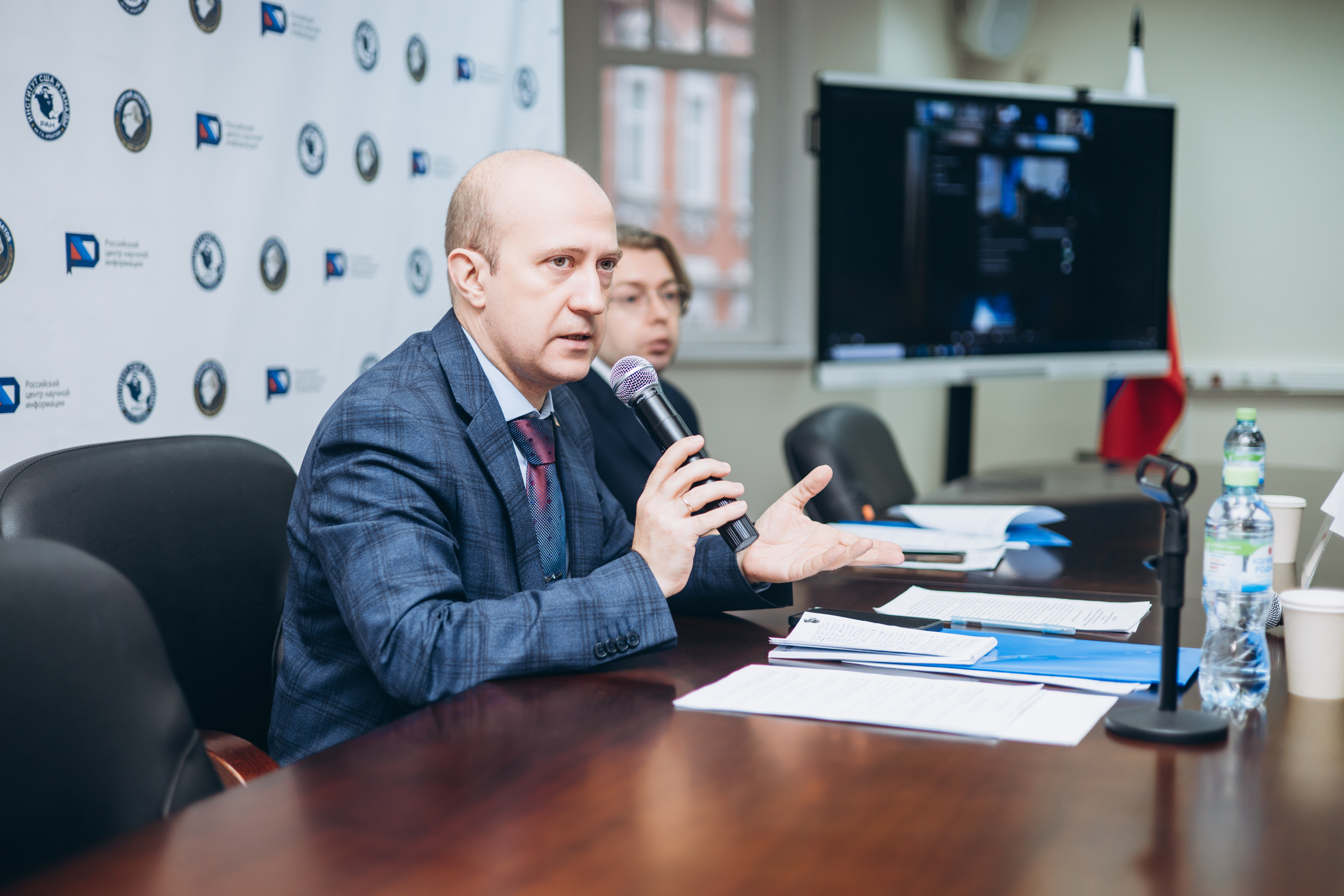
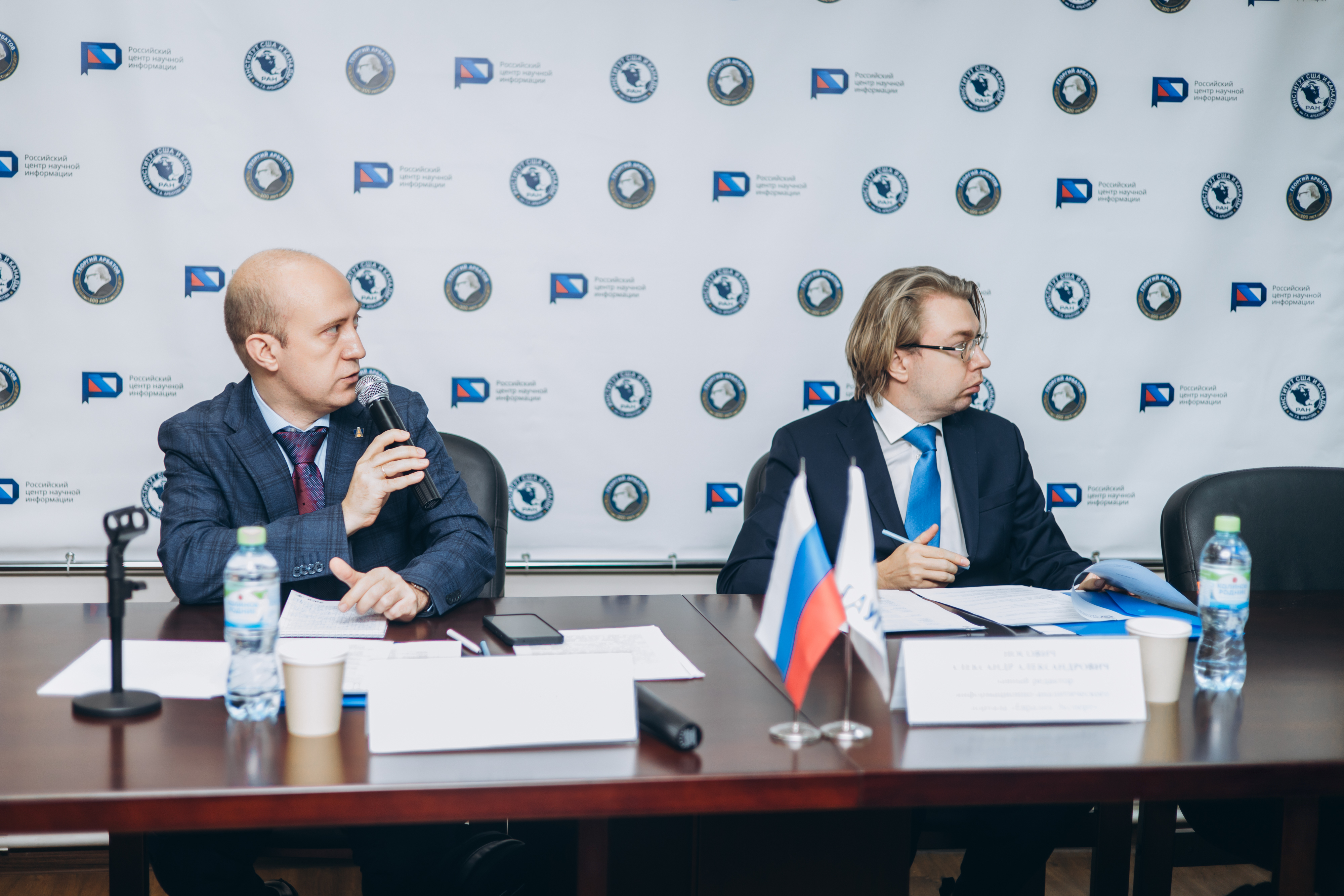
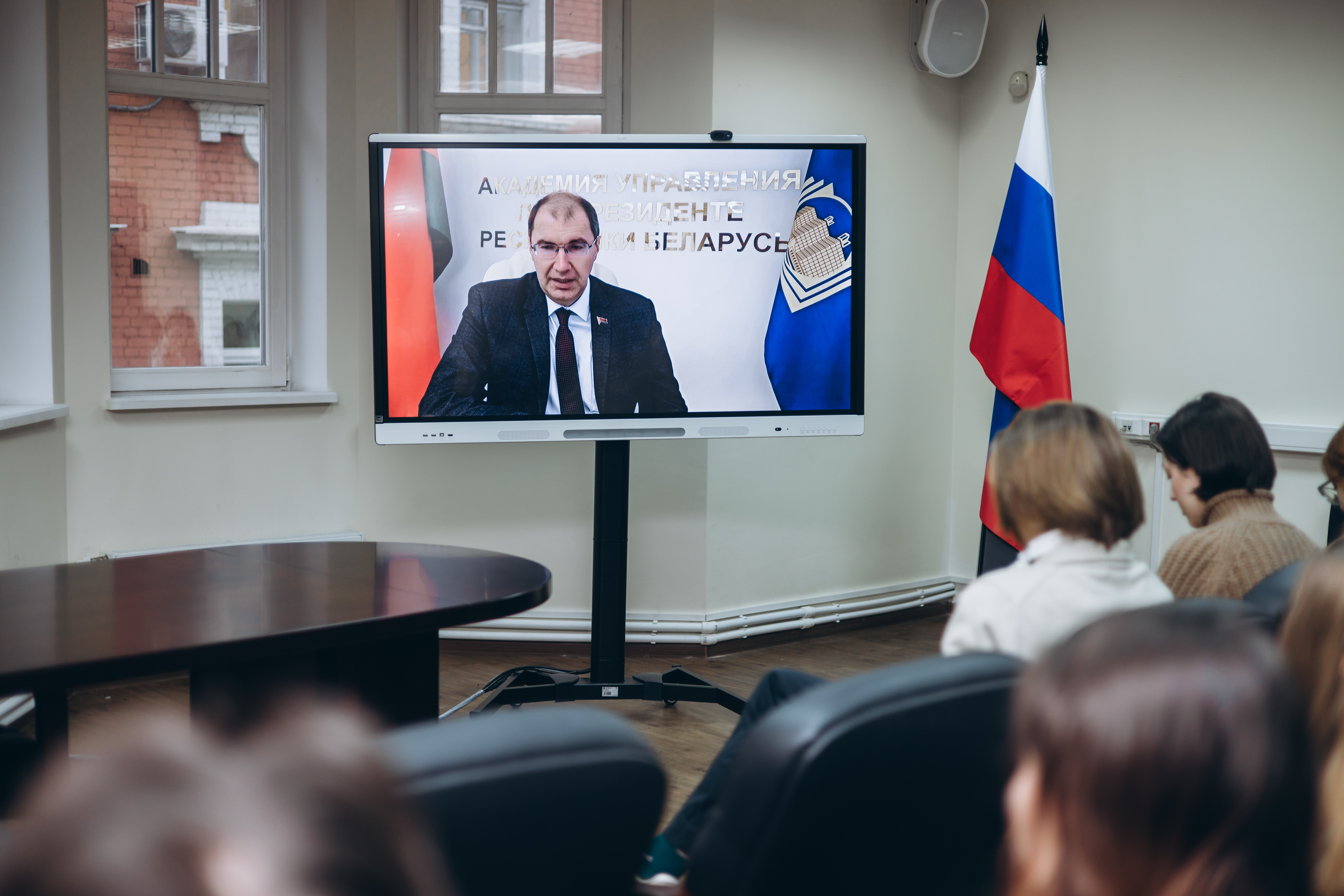
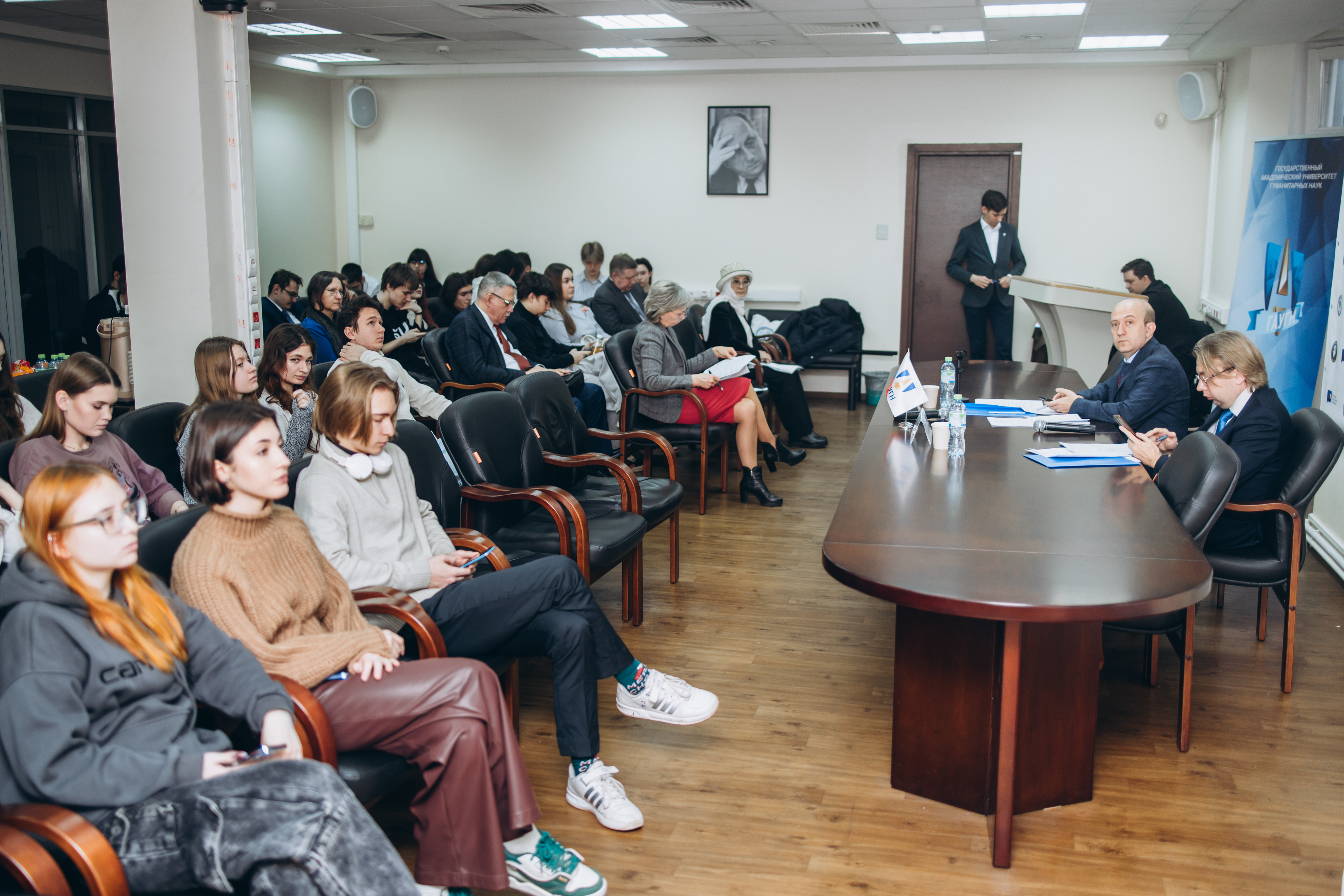
 On December 9, the 3rd session of the international round table "Social Sciences and Humanities Knowledge in the Scientific and Educational Transfers of the Eurasian Space" was held. The event, organized by the State Academic University for the Humanities (GAUGN) in collaboration with the information-analytical publication "Eurasia.Expert," brought together over 30 university rectors, vice-rectors, heads of structural divisions, scholars, and lecturers from Russia, Belarus, Kazakhstan, Armenia, Kyrgyzstan, Tajikistan, and Uzbekistan, both in-person and online.
Wishes for fruitful work and constructive discussions were expressed in official greetings from the Ministry of Science and Higher Education of the Russian Federation, the Federal Agency for the Commonwealth of Independent States Affairs, Compatriots Living Abroad, and International Humanitarian Cooperation, and the Interparliamentary Assembly of Member Nations of the Commonwealth of Independent States.
Welcoming speeches were delivered to the participants by GAUGN President, Academician of the Russian Academy of Sciences (RAS) Alexander Chubaryan; Dean of the GAUGN Faculty of Philosophy, Academician of the RAS Vladislav Lektorsky; GAUGN Rector Nikolai Promyslov; and the Editor-in-Chief of the "Eurasia.Expert" information-analytical portal, Alexander Nosovich.
Participants of the international round table shared their views and opinions on the role of social sciences and humanities knowledge in the modern scientific and educational landscape, the risks and opportunities of using artificial intelligence, the prospects for international cooperation, and the development of Eurasian integration in the socio-humanitarian field. During the presentations and exchange of opinions, efforts by humanities universities across the Eurasian space to intensify inter-university cooperation and strengthen scientific and educational interaction in the socio-humanitarian sphere were supported.
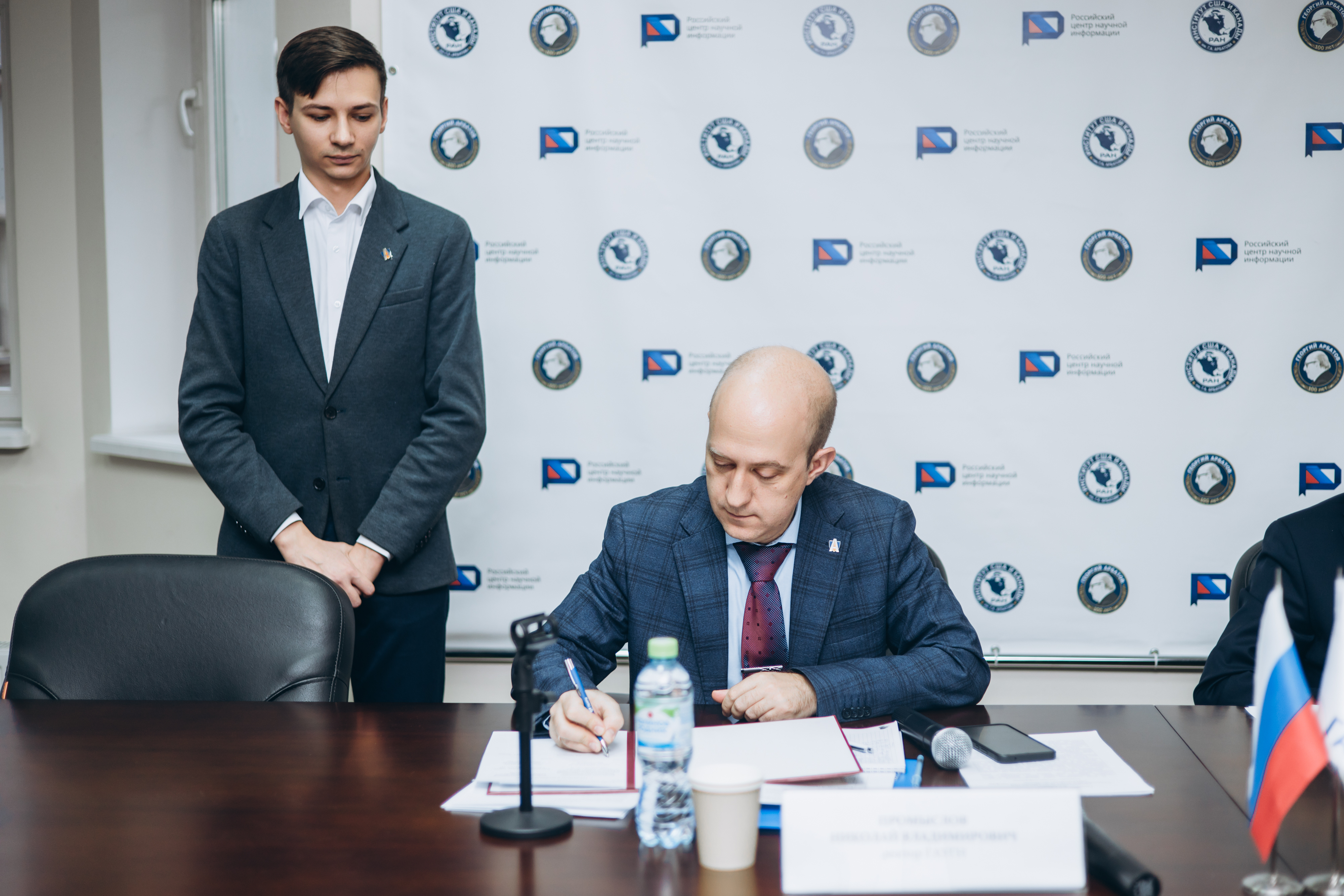
In a ceremonial setting, a Cooperation Agreement was signed between the State Academic University for the Humanities (Russian Federation) and Jusup Balasagyn Kyrgyz National University (Kyrgyz Republic), intended to mark the beginning of fruitful collaboration between the two universities.
The nature of the event, the participation of representatives from a large number of universities and research organizations, and the range of issues addressed all demonstrated the advisability of changing the format of this discussion-based scientific platform. Consequently, starting in 2026, this event will be held in the format of an international scientific conference.
Читать также


